

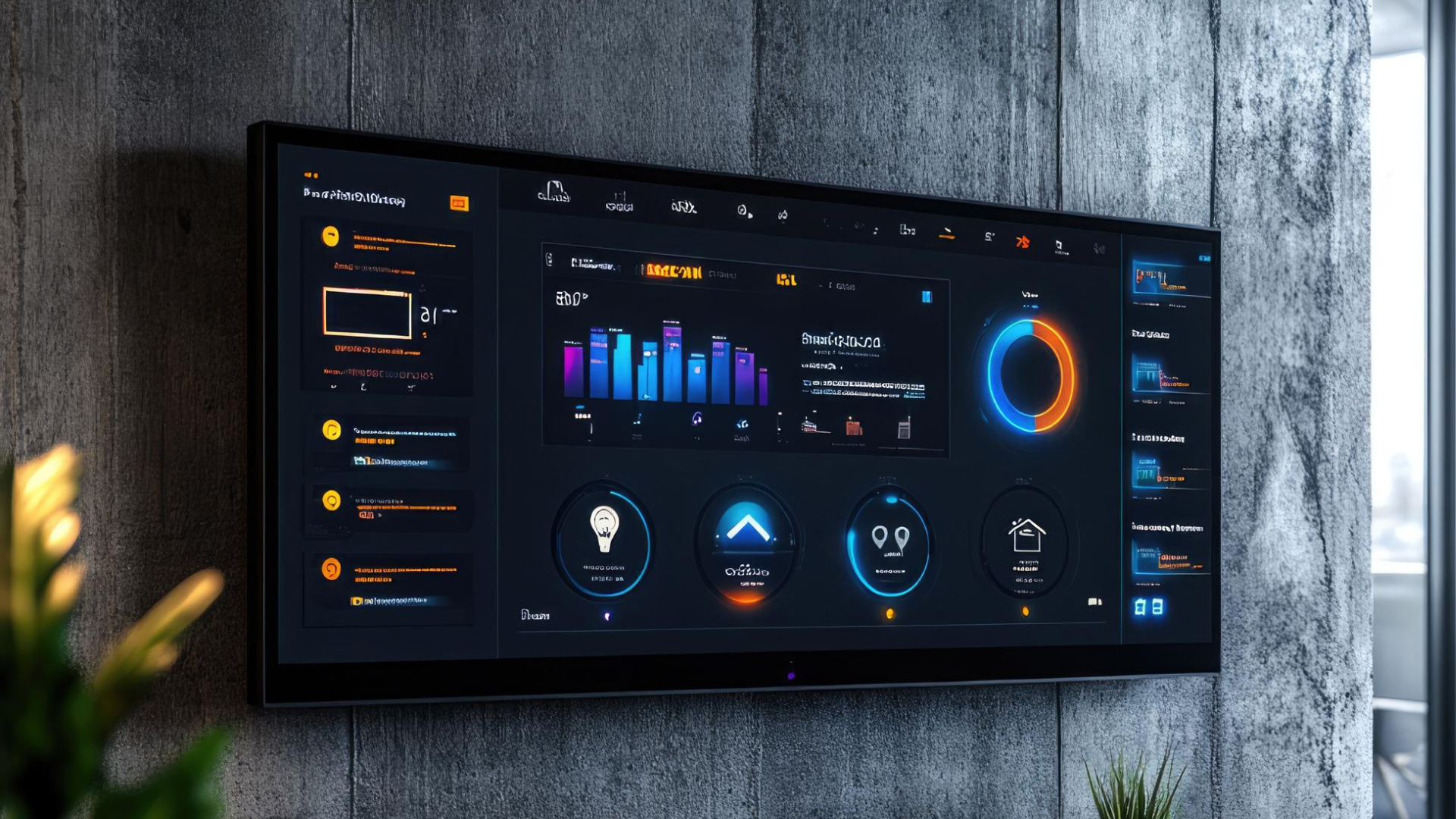
Monitoring becomes difficult when teams cannot receive information at the time they need it. In many environments, operations continue across remote locations, construction sites, industrial facilities, and field operations where stable connectivity is not always guaranteed.
When communication becomes unreliable, delays can start affecting visibility across operations. Teams may find it harder to track activities, identify issues quickly, or coordinate responses across multiple locations.
The challenge is not always about having more technology. In many cases, systems are designed assuming connectivity will always be available, while real-world conditions often work differently.
Monitoring Cannot Stop When Connectivity Drops
Operations do not pause because network conditions change. Equipment still needs to be monitored, safety concerns still require attention, and teams still need awareness of what is happening across different locations.
This becomes especially important in low-connectivity zones where interruptions can create visibility gaps and make it harder to respond to changing situations. Depending entirely on constant network availability can reduce the effectiveness of systems during critical moments.
Organizations operating in remote environments increasingly need solutions that continue functioning even when communication conditions are limited.
Adapting to Real-World Conditions
As operations become more distributed, many organizations are turning toward IoT-enabled monitoring to support environments where conditions are constantly changing.
Rather than depending on a single communication source, modern systems are expected to maintain continuity across operations. The goal is not simply collecting information but making sure important data remains available when teams need it.
Perennial Intellect recognizes that operational environments are rarely perfect. Monitoring systems often need to function across challenging locations, remote sites, and conditions where uninterrupted communication cannot always be expected.
Better Visibility Creates Faster Decisions
Modern operations require more than dashboards filled with information. Teams need access to information that helps them understand situations clearly and make decisions faster.
In some environments, technologies supporting real-time data mirroring help maintain information consistency across systems and reduce the possibility of delayed updates. This becomes important when multiple teams or locations need access to the same operational information.
Organizations are increasingly using IoT-enabled monitoring to improve visibility across operations and reduce delays that can affect coordination and response.
Building Systems for Real Operational Needs
The discussion around monitoring is gradually changing. The focus is moving away from simply collecting information and toward creating systems that continue delivering value under real-world conditions.
Perennial Intellect approaches monitoring challenges with the understanding that operations can extend across remote sites, industrial facilities, infrastructure projects, and demanding field environments. Instead of treating monitoring as an isolated function, the focus is increasingly on creating connected systems that support awareness and continuity.
As operations become more complex, IoT-enabled monitoring is helping organizations maintain stronger visibility while adapting to environments where stable connectivity cannot always be assumed. Many industries are also exploring smarter monitoring approaches that support responsive systems without adding unnecessary operational burden.


