

Most access methods depend on something people remember or carry. Passwords can be forgotten. Cards can be misplaced. IDs can be shared. Even when systems are designed properly, human behavior can sometimes create security gaps.
In larger workplaces and high-security environments, these small issues become more difficult to manage. A lost card may require replacement, shared credentials can reduce accountability, and manual verification processes can create delays.
As organizations expand across locations and teams, businesses are increasingly reconsidering how identity should be verified and managed.
Identity Verification Is Becoming More Important
Businesses today are not only concerned about who enters a building. They also want better visibility into who accessed a specific area, when access took place, and whether the access was appropriate.
As workplaces become more distributed, managing entry across facilities and teams becomes increasingly complex. This is where Physical Access Control Systems are becoming more important because they help organizations create more structured environments for monitoring and managing access.
The focus is gradually moving beyond simply granting access and toward improving visibility and accountability across operations.
Why Biometric Systems Are Receiving More Attention
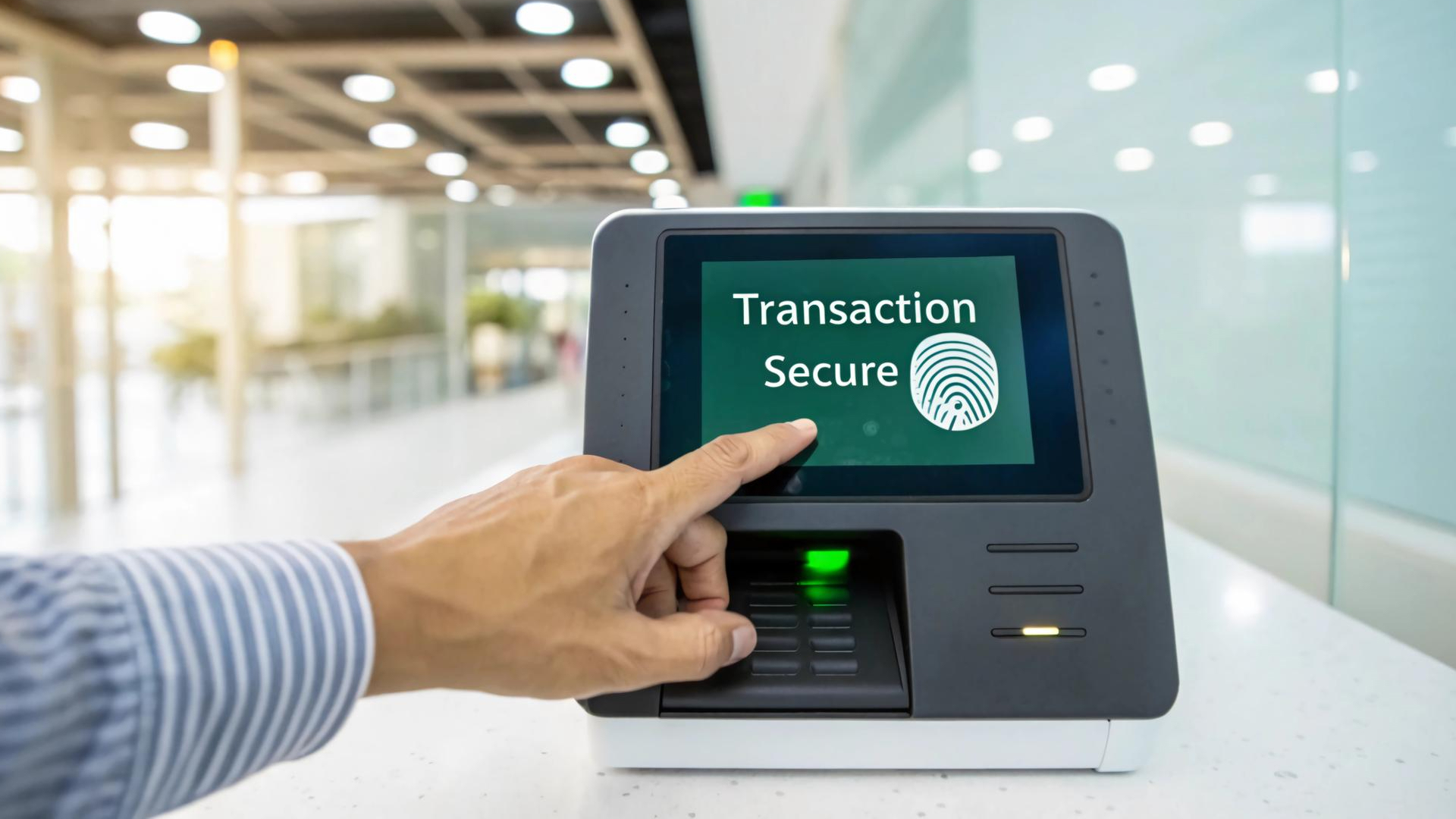
Biometric systems work differently because they rely on characteristics linked directly to an individual rather than something a person carries.
Many organizations are exploring solutions where Biometric and RFID technologies help strengthen identification processes while reducing dependency on cards and passwords alone.
This can improve convenience while also reducing challenges related to lost cards, forgotten credentials, and unauthorized sharing. Instead of replacing every process completely, many businesses are integrating biometric capabilities into existing Physical Access Control Systems to improve security without disrupting day-to-day operations.
Biometric systems can also help reduce the amount of manual verification required in environments where multiple people, contractors, or visitors regularly move through facilities.
Access Decisions Are Becoming Smarter
Modern security environments increasingly require more than a one-time verification process. Organizations are looking for systems that can support changing roles, multiple access levels, and different operational requirements.
Approaches such as Zero Trust Architecture are becoming part of these discussions because they focus on continuous verification rather than automatically assuming access should be trusted.
Perennial Intellect recognizes that modern environments require systems that balance security, visibility, and operational efficiency without creating unnecessary complexity.
Looking Beyond Traditional Verification
The role of access systems is expanding beyond simply opening doors. Organizations are increasingly looking at access systems as part of everyday operations rather than treating them as isolated security tools.
As organizations continue growing, Physical Access Control Systems are increasingly supporting environments where access, monitoring, and operational requirements need to work together more effectively.
Perennial Intellect approaches these environments with a focus on creating solutions that help organizations improve visibility, strengthen security, and support day-to-day operations in practical ways.
Modern Physical Access Control Systems are no longer only about restricting entry. They are becoming part of broader security environments that support stronger verification, better awareness, and more informed decision-making.


