

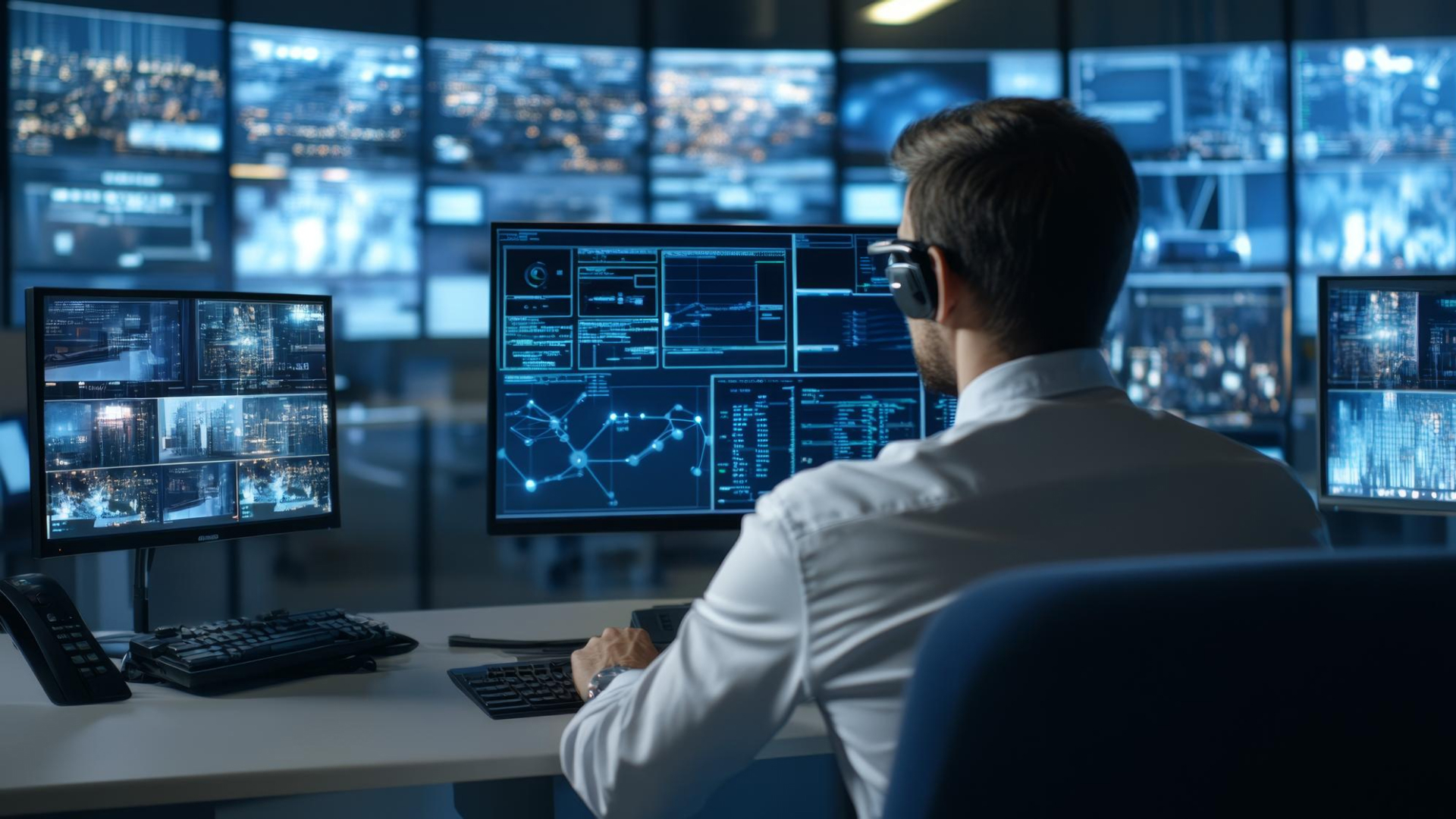
Monitoring systems were once built for simpler environments. A single site, fewer cameras, and smaller teams made manual observation manageable. Today, operations are different. Industries are managing larger facilities, multiple locations, critical infrastructure, and environments where delays can create serious consequences.
As operations grow, the amount of information teams need to monitor also increases. People are expected to track activities, identify issues, and respond quickly while handling many moving parts at the same time.
The challenge is not always a lack of technology. In many situations, it becomes a problem of scale.
Delayed Responses Can Create Bigger Problems
Traditional monitoring systems often depend heavily on people noticing an issue and responding at the right moment. While this approach can work in certain situations, it becomes more difficult when there are multiple systems, locations, and events happening simultaneously.
Many teams end up reacting after a problem has already developed. Equipment failures, unauthorized access, safety concerns, and operational disruptions may only become visible once a situation has already escalated.
In high-risk environments, even small delays can affect safety, efficiency, and decision-making.
The Role of Monitoring Is Changing
Modern operations no longer need systems that simply record information. Teams need better visibility into what is happening while activities are taking place.
Organizations are increasingly realizing that maintaining Operational Readiness is no longer limited to emergency situations or crisis response. It is becoming an ongoing requirement for environments where teams need to stay informed and act quickly.
This shift is also changing how monitoring systems are designed and used.
Why Better Visibility Improves Response Time
Operations today require more than screens filled with data. Teams need information that helps them decide what requires attention first.
Across industries, stronger decision-making becomes possible when real-time awareness helps teams understand changing conditions and identify important events more quickly. This creates opportunities for faster responses and fewer operational gaps.
In many environments, organizations are also exploring solutions where a centralized command environment helps bring different systems together into one place. Instead of switching between multiple tools, teams can work with a clearer view of operations.
Moving Beyond Traditional Monitoring
The purpose of monitoring is no longer just observation. It is becoming increasingly connected to response, coordination, and visibility across operations.
As industries continue expanding, teams are finding that Operational Readiness cannot rely entirely on manual processes. Better systems are helping organizations manage complexity without creating additional pressure on people.
As operations become more complex, the discussion is shifting from simply collecting information to understanding how quickly teams can respond to it. Monitoring systems are no longer expected to only observe activity; they are increasingly expected to support faster coordination, better visibility, and stronger operational decision-making.
This is also why organizations and technology providers such as Perennial Intellect are increasingly focusing on practical monitoring approaches that support visibility and response rather than simply adding more systems.


