

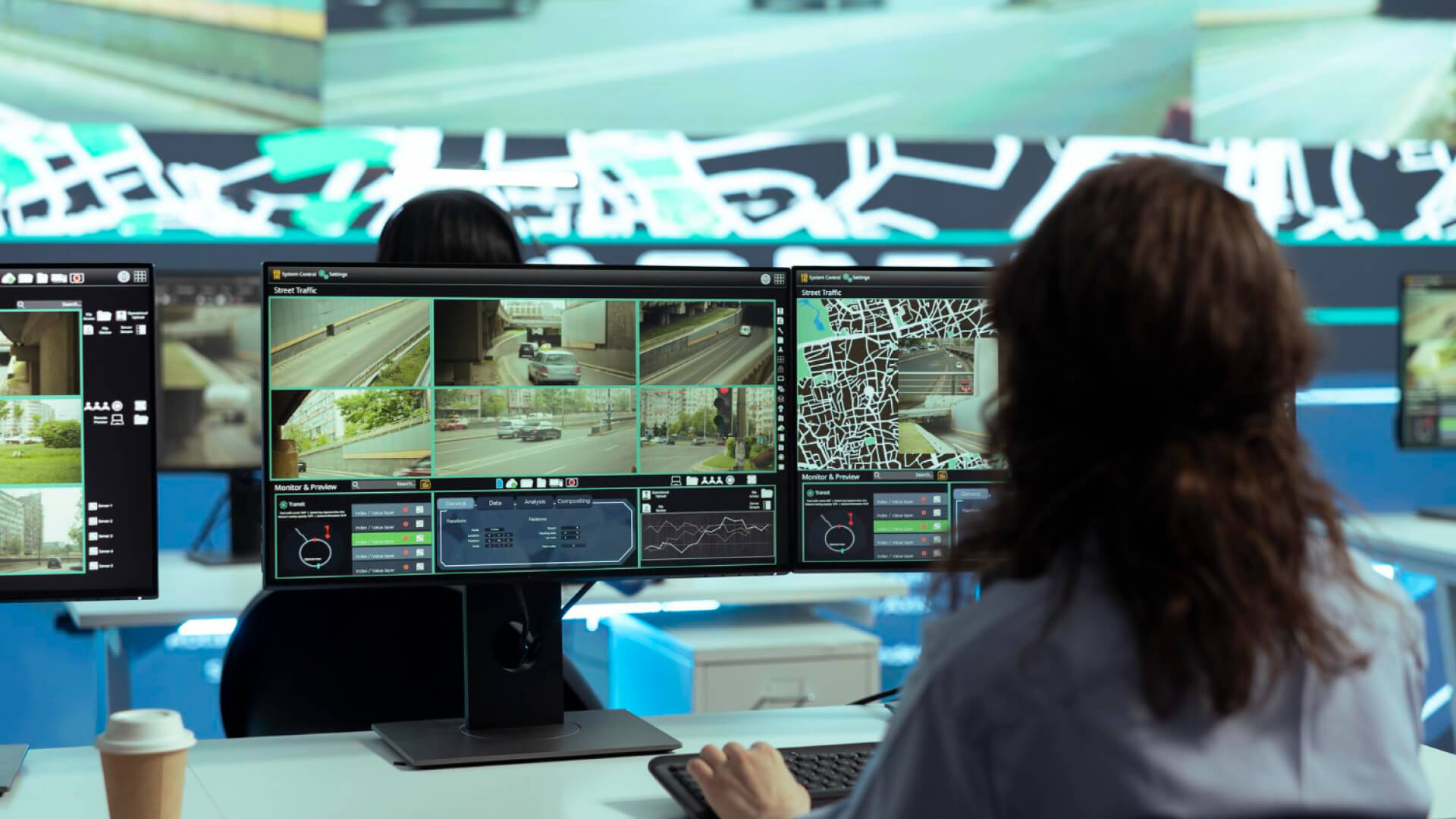
Cameras can capture almost everything happening inside a factory, office, warehouse, or large facility, but having footage is only one part of effective security. When hundreds of cameras are operating at the same time, manually watching every screen or reviewing hours of recorded footage can be difficult and time-consuming. This is where video analytics comes into picture. By using AI and Computer vision to analyze video footage, these systems can help identify specific activities, objects or unusual events and bring important situations to the attention of security teams.
What is Video Analytics?
Video Analytics is a technology that automatically examines video footage and identifies information that may require attention. Instead of relying entirely on a person to watch camera feeds, the software can analyze what is happening within the footage and recognize predefined objects, movements, or events.
Depending on how the system is configured, it can identify people, vehicles, movement patterns, or activity within specific areas. This makes surveillance more purposeful, allowing security teams to focus their attention on events that matter rather than continuously monitoring every camera.
How Does Video Analytics Work?
The process begins when cameras capture live or recorded video from a particular area. The footage is processed by analytics software, which uses computer vision and AI-based models to examine what is happening within the scene.
The system can identify objects or activities based on predefined rules. For example, it may detect when a person enters a restricted area or when a vehicle crosses a defined boundary. When a relevant event is identified, the system can generate an alert or send the information to a monitoring platform, allowing the security team to investigate and respond.
This process turns raw video footage into information that can be acted upon.
What Can Video Analytics Detect?
The capabilities of AI video analytics depend on the technology and configuration being used. Common applications include detecting unauthorised entry, people crossing virtual boundaries, vehicle movement, loitering, unattended objects, or unusual activity in designated areas.
In industrial and enterprise environments, these capabilities can support both security and operational monitoring. Instead of searching through recorded footage after an incident, teams can receive alerts about predefined events as they occur.
How is it Different from Traditional CCTV?
Traditional CCTV is primarily designed to capture and record activity. The footage can be extremely useful, but finding a specific incident may require someone to manually review hours of recordings.
Video surveillance analytics adds another layer of intelligence. It can analyze footage automatically and highlight events that match specific conditions. In simple terms, CCTV shows what happened, while video analytics helps identify what may need attention.
Why Does It Matter to Businesses?
For large facilities, managing multiple cameras can place a significant burden on security teams. Automated analysis can reduce the need for constant manual observation and help operators prioritize important events.
It can also support faster incident detection, improve situational awareness, and provide better visibility across multiple locations. When integrated with a Video Management System, access control, or other connected security technologies, analytics can become part of a broader security ecosystem.
Moving Towards Smarter Video Surveillance
As organizations continue to expand their surveillance networks, simply collecting more footage is not always the answer. Businesses need ways to make that footage more useful and actionable.
Video analytics helps bridge this gap by turning camera footage into meaningful information. By combining cameras with AI, computer vision, and integrated security platforms, organizations can move towards more proactive monitoring and create security environments that are better equipped to identify and respond to important events.


