

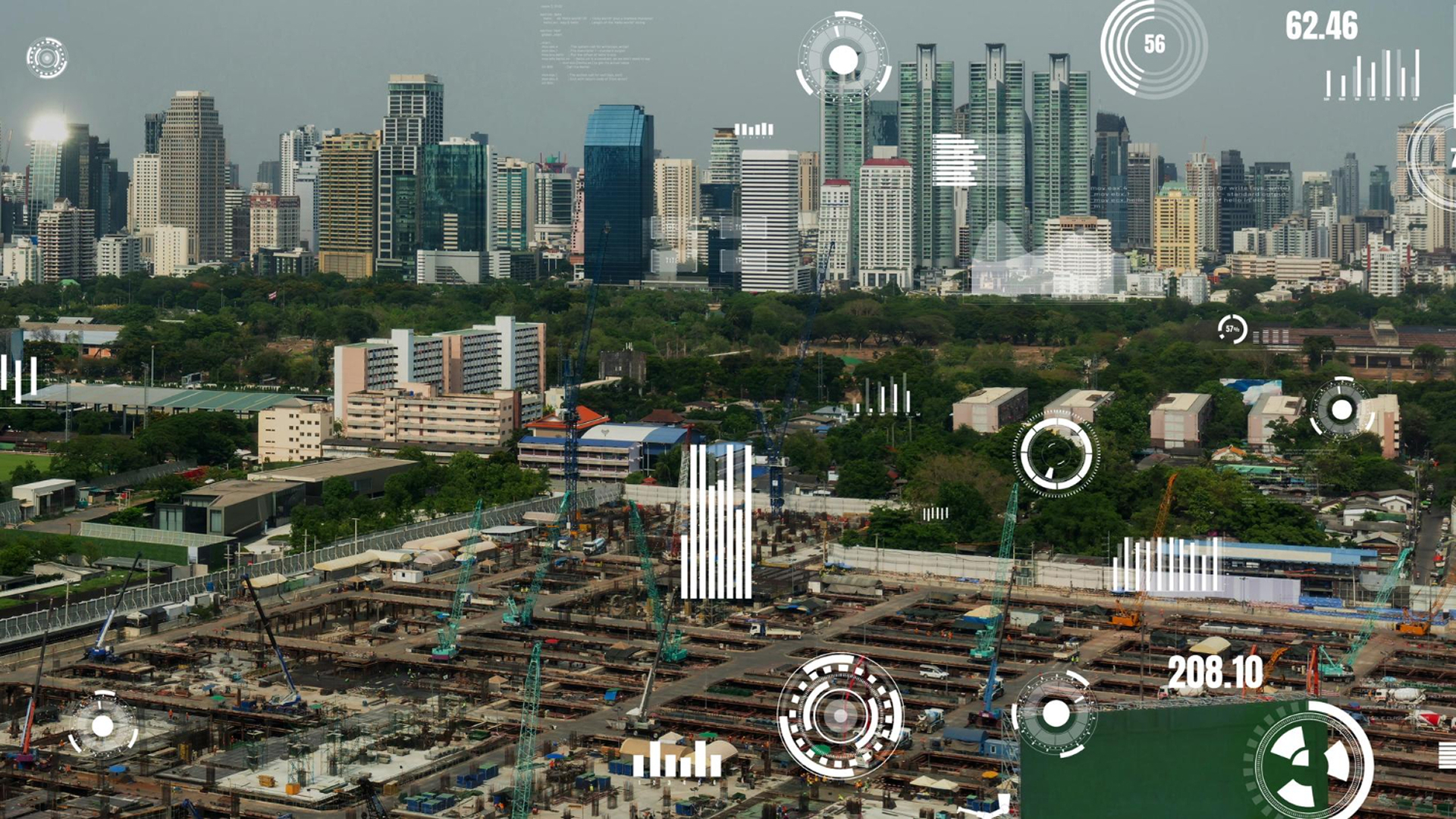
Sustainable growth has become a priority for organizations across industries. Businesses today are expected to expand responsibly while improving efficiency, optimizing resources, and adapting to changing market demands. Achieving these goals requires more than traditional infrastructure. Organizations increasingly need systems that can respond intelligently, provide meaningful insights, and support long-term resilience.
This is where Smart Infrastructure is making a significant difference. By integrating digital technologies, connected assets, and intelligent systems, businesses can create environments that are more efficient, responsive, and prepared for future challenges.
Building Efficiency Through Intelligent Systems
As organizations grow, managing resources effectively becomes increasingly complex. Facilities, assets, and operational processes often generate vast amounts of information that can be difficult to monitor and utilize effectively.
Smart Infrastructure helps address this challenge by enabling systems to communicate and share information seamlessly. Access to timely information allows organizations to identify inefficiencies, improve performance, and make informed decisions about how resources are allocated.
This capability also supports resource optimization, helping businesses reduce waste, improve productivity, and maximize the value of existing assets. Rather than relying on reactive processes, organizations can adopt a more proactive approach to managing their environments.
Creating More Connected and Adaptive Environments
Modern enterprises operate in highly dynamic environments where agility and responsiveness are essential. Infrastructure can no longer function as isolated components that operate independently of one another.
The rise of connected systems is enabling organizations to bring together information from multiple sources and gain a more comprehensive understanding of their operations. Whether managing facilities, monitoring assets, or supporting critical business processes, connected environments improve coordination and enhance decision-making.
Smart Infrastructure enables businesses to adapt more quickly to changing requirements by creating systems that are both intelligent and scalable. This flexibility becomes increasingly important as organizations pursue growth while balancing efficiency and sustainability objectives.
Supporting Long-Term Sustainability
Sustainable growth depends on an organization’s ability to make decisions that create long-term value rather than short-term gains. Businesses must continually improve performance while ensuring that resources are utilized responsibly and efficiently.
Smart Infrastructure provides the foundation for achieving these objectives. By improving visibility, enabling better decision-making, and supporting more efficient use of resources, intelligent infrastructure helps organizations build resilience and prepare for future opportunities.
As industries continue to evolve, sustainability and digital transformation are becoming increasingly interconnected. Organizations that invest in intelligent infrastructure are often better positioned to respond to change, manage complexity, and support continuous improvement.
In an increasingly connected world, Smart Infrastructure is no longer simply a technological advancement. It is becoming a strategic enabler of sustainable growth, helping organizations create more efficient, resilient, and future-ready enterprises.


