

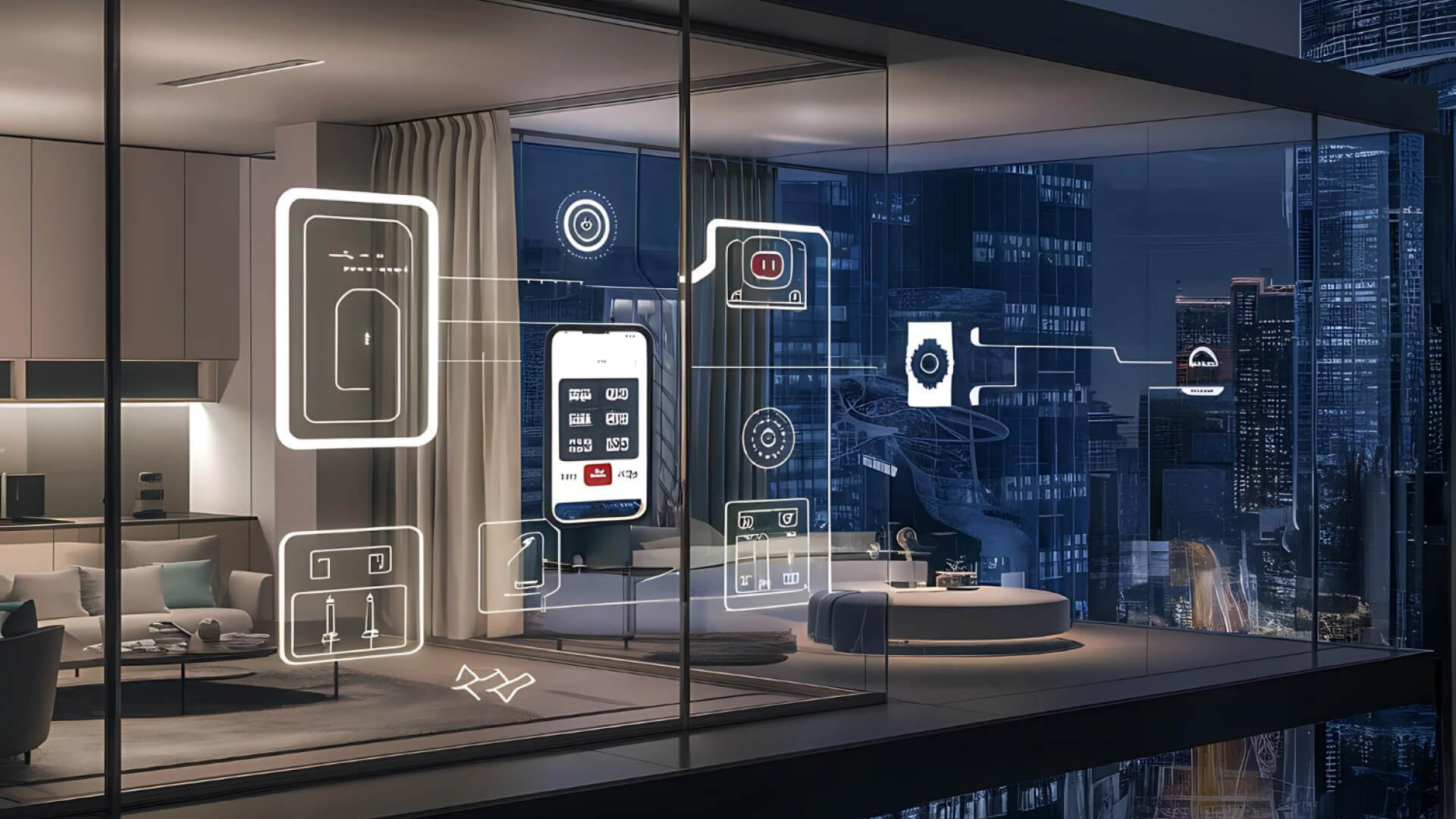
A business may have CCTV cameras, access control, alarms, and other security systems in place, but having multiple security technologies does not always mean they work well together. The way these systems are deployed can make a big difference in how easily security teams can monitor events and respond to them.
This is where the difference between standalone security systems and integrated security systems becomes important.
What Are Standalone Security Systems?
A standalone security system operates independently. For example, CCTV may have its own monitoring software, while access control and alarm systems are managed separately.
This approach can work well for smaller facilities with straightforward security requirements. It is usually simpler to deploy and may require less initial investment.
However, when several systems operate independently, security teams may need to switch between different platforms to understand what is happening across the facility.
What Are Integrated Security systems?
An integrated security platform connects multiple security technologies through a common environment. CCTV, access control, alarms, sensors, and other systems can share information and work together.
Instead of checking each system separately, security teams can get a more complete view of an event from a central interface.
For example, an access control alert could be linked with nearby camera footage, helping the security team quickly understand what happened.
Standalone vs Integrated: What Is the Difference?
The main difference is how the systems communicate and are managed.
Standalone systems are generally easier to deploy when security needs are limited. Integrated platforms are more useful when an organisation has multiple systems, larger sites, or more complex security operations.
Integration can also make it easier to coordinate responses because information from different systems can be viewed together.
Which Approach Is Right for Your Business?
There is no universal answer. A small office with basic security requirements may not need a fully integrated platform. A large factory, corporate campus, warehouse, or critical facility may benefit more from connecting its security systems.
Businesses should consider the size of the facility, number of security systems, monitoring requirements, future expansion, and available infrastructure before choosing an approach.
Moving Towards Connected Security
As security environments become more complex, managing every system separately can become difficult. Integrated security platforms provide a way to bring different technologies together and make security operations easier to monitor and coordinate.
The goal is not simply to install more security systems but to ensure that the systems already in place can work together effectively.


