

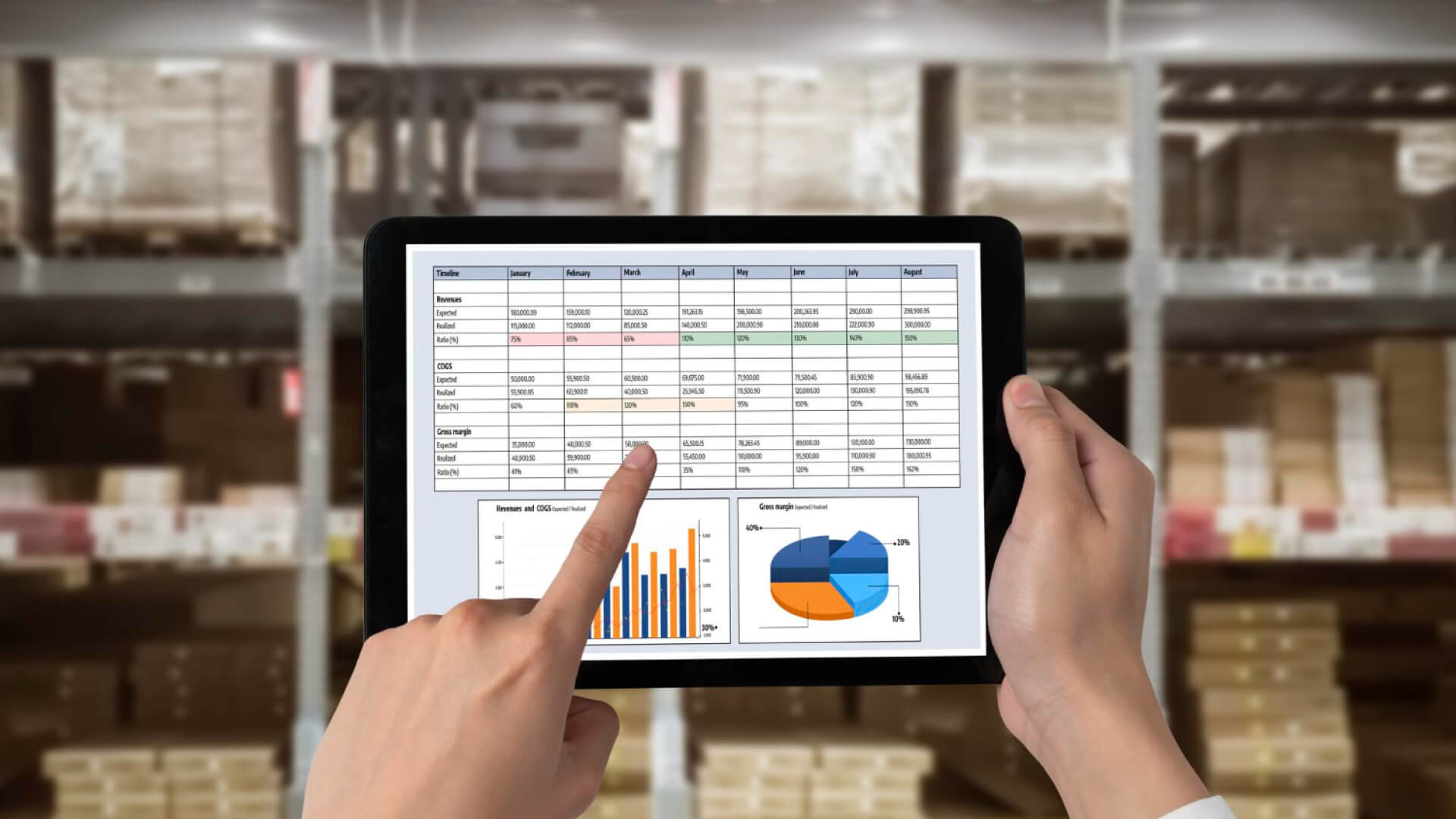
Businesses often use the terms asset tracking and inventory management interchangeably, but they serve different purposes. Both help organizations keep better control over what they own and use, yet the information they track and the decisions they support can be quite different. Understanding this difference becomes especially important in manufacturing plants, warehouses, construction sites, and large industrial facilities where equipment, tools, materials, and other items are constantly moving.
What Is Asset Tracking?
Asset tracking focuses on knowing where an asset is, what condition it is in, and how it is being used. Assets are generally items that remain useful over a longer period, such as machinery, tools, vehicles, equipment, or specialized devices.
Technologies such as RFID, GPS, barcodes, and IoT sensors can help organizations track these assets. For example, a manufacturing facility may use RFID to identify the location of equipment and understand when it is moved between different areas.
The goal is better visibility throughout the asset’s lifecycle, from deployment and maintenance to relocation or retirement.
What Is Inventory Management?
Inventory management focuses more on what items a business has, how many are available, and when they need to be replenished. It is commonly associated with raw materials, components, finished products, spare parts, and other consumable items.
For example, a factory needs to know how much raw material is available, how much has been used, and when new stock should be ordered. Effective inventory management helps prevent both shortages and unnecessary overstocking.
The Key Difference
The simplest way to understand the difference is:
Asset tracking asks: “Where is it and what is happening to it?”
Inventory management asks: “How much do we have and what do we need?”
Asset tracking is generally concerned with the location, condition, utilization, and lifecycle of individual assets, while inventory management focuses more on quantity, availability, movement, and replenishment of stock.
Why Businesses Need Both
Large organizations often need both systems to maintain operational visibility. A manufacturing facility, for instance, may track expensive equipment using RFID while simultaneously managing raw materials and spare parts through an inventory system.
When these systems work alongside each other, businesses can gain a clearer view of their resources, reduce manual tracking, improve accountability, and make better operational decisions.
Choosing the Right Approach
The right solution depends on what an organization needs to monitor. If the priority is knowing the location and condition of equipment, asset tracking may be more important. If the focus is maintaining stock levels and ensuring materials are available when required, inventory management becomes essential.
For complex industrial environments, combining asset visibility with effective inventory processes can provide a more complete picture of operations. With technologies such as RFID asset tracking and Industrial IoT, businesses can move beyond manual records and gain more timely information about the resources that keep their operations running.


