

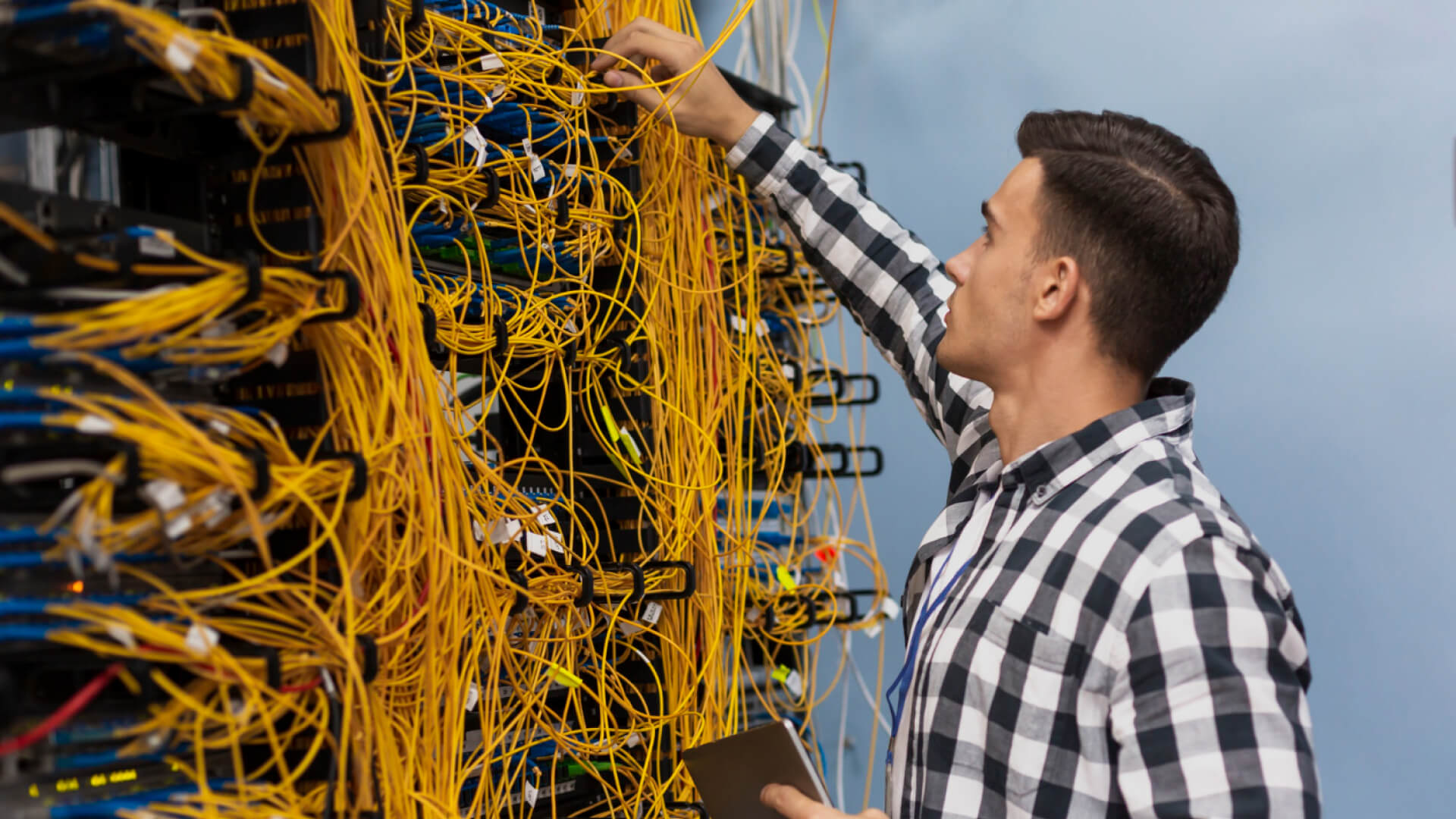
Businesses today rely on more data than ever. Video surveillance, cloud applications, large file transfers, IoT devices, video conferencing, and other connected systems can all put pressure on a network. When the network cannot keep up, even routine operations can become slower and less reliable.
This is where fiber optic networks can make a difference. By providing high-speed and reliable connectivity, they help businesses handle growing data requirements without constantly struggling with network limitations.
Handling Large Amounts of Data
Modern businesses can generate and transfer huge amounts of data throughout the day. Security cameras may continuously send video, employees may access cloud platforms, and connected equipment may share information in real time.
Fiber optic networks provide high bandwidth, making them well suited for environments where large volumes of data need to move quickly and consistently.
Supporting High-Speed Communication
Slow connectivity can affect more than internet browsing. Delays in accessing applications, transferring files, communicating between locations, or viewing live video can impact everyday operations.
Fiber can provide fast connections between network devices, buildings, departments, and facilities, helping data move efficiently across the business network.
Connecting Multiple Business Systems
Large organisations rarely depend on a single technology. Networks may need to support CCTV systems, access control, servers, Wi-Fi, IoT devices, communication systems, and other connected infrastructure.
A strong fiber backbone can provide the connectivity needed to bring these systems together while handling increasing data traffic.
Supporting Long-Distance Connectivity
Businesses operating across large campuses or multiple buildings often need reliable connections over significant distances. Copper-based connections can become less practical as distances increase.
Fiber optic networks are well suited to longer-distance communication, making them useful for connecting buildings, data centers, industrial facilities, and large business campuses.
Preparing for Future Growth
Network requirements rarely stay the same. As businesses add more devices, applications, cameras, and connected systems, their data requirements can increase significantly.
Building a fiber-based network infrastructure can provide the bandwidth and scalability needed to support this growth, reducing the need for major network changes later.
Building a Stronger Network Foundation
High-bandwidth operations depend on reliable connectivity. From supporting large data transfers to connecting multiple business systems, fiber optic networks can provide the performance needed for modern enterprise environments.
For businesses planning their network infrastructure, investing in the right connectivity today can make it easier to support growing digital and operational requirements tomorrow.


