

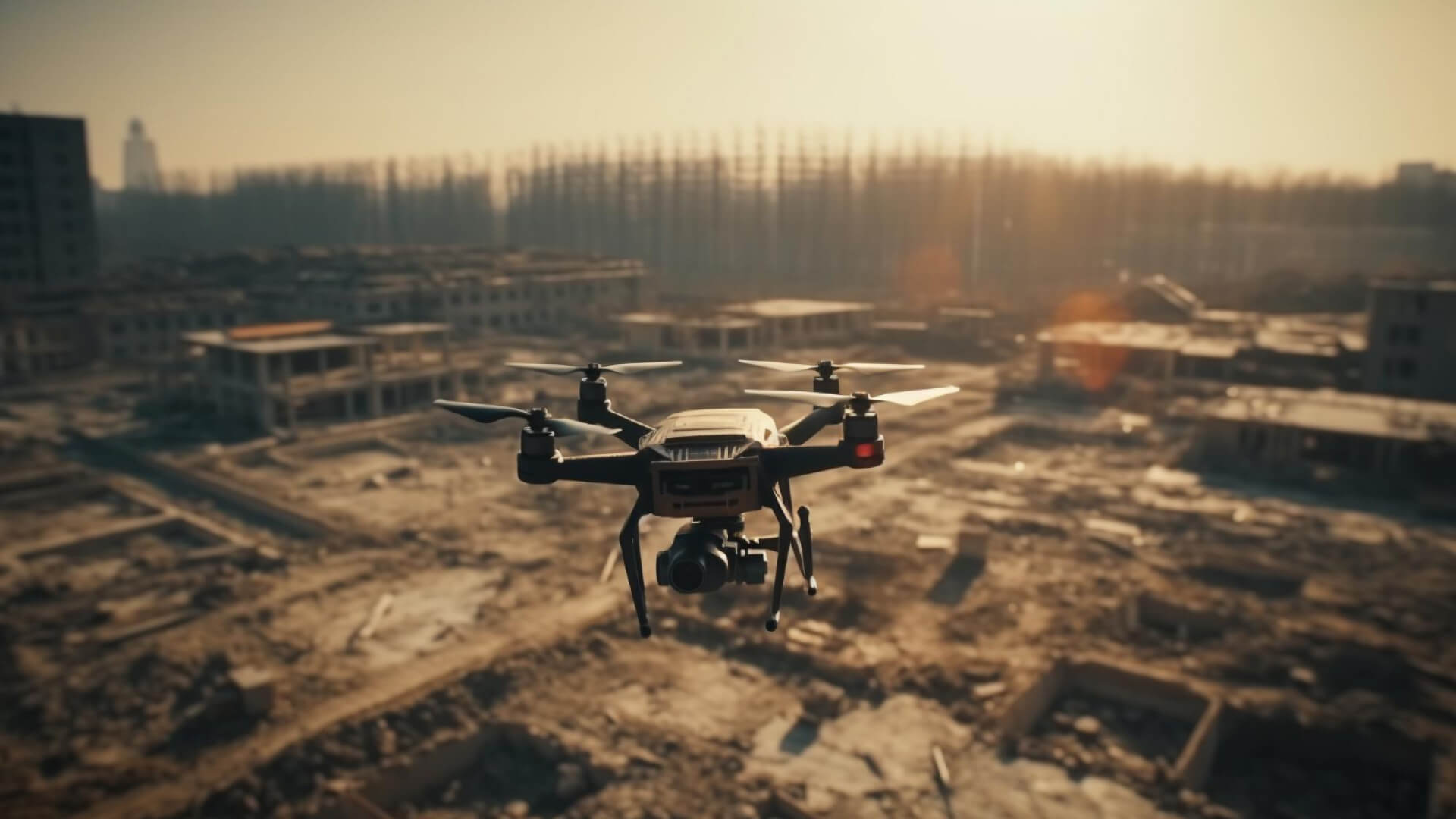
Drones have made it much easier for businesses to inspect large industrial facilities, hard-to-reach structures, and expansive sites without depending entirely on manual inspections. They can quickly capture images and videos of equipment, rooftops, pipelines, structures, and other areas. But simply using a drone does not guarantee a successful inspection. Poor planning, the wrong equipment, or overlooking site conditions can affect the quality of the inspection and the value of the data collected.
Not Planning the Inspection Properly
One of the most common mistakes is starting a drone flight without clearly deciding what needs to be inspected. Different structures and equipment may need different flight paths, camera angles, and levels of detail. Without a clear plan, important areas can be missed while unnecessary footage is collected. Defining the inspection objective and identifying critical areas beforehand can make the entire process more focused and efficient.
Choosing the Wrong Drone or Camera
Not every drone or camera is suitable for every inspection. Industrial environments can vary widely, so the equipment should match the requirements of the job. Factors such as flight time, operating range, weather conditions, image quality, and the type of inspection all need to be considered. A camera that works well for a general visual inspection may not capture enough detail to identify smaller structural issues.
Ignoring Environmental Conditions
Weather and surrounding conditions can have a major impact on a drone inspection. Strong winds, rain, dust, poor visibility, and extreme temperatures can affect flight stability and image quality. Industrial sites can also have power lines, machinery, buildings, and other obstacles in the flight path. Checking these conditions before the inspection can help avoid unnecessary risks and interruptions.
Focusing Only on Capturing Images
Collecting a lot of footage does not necessarily mean the inspection was successful. The images and videos need to provide information that inspection teams can actually use. Depending on the project, drone data may also be processed using mapping, photogrammetry, or other analysis tools. The goal should be to collect the right data, not simply more data.
Overlooking Safety and Regulations
Drone operations around industrial facilities require careful planning and attention to safety. Operators need to understand the site, identify potential hazards, maintain a safe distance from people and equipment, and follow applicable aviation and site-specific requirements. Safety needs to remain a priority before, during, and after the flight.
Not Organizing Inspection Data
Drone inspections can generate a large amount of imagery and video. If this data is not properly organized and documented, finding useful information later can become difficult. Keeping clear records and linking inspection data to specific locations or assets can make future inspections, comparisons, and maintenance planning much easier.
Making Drone Inspections More Effective
Industrial drone inspections can be highly useful when they are planned and carried out properly. Avoiding mistakes such as poor planning, unsuitable equipment, ignoring environmental conditions, and poor data management can help businesses get more value from their inspections. When aerial data is collected with a clear purpose and turned into useful insights, drones can become a practical tool for monitoring industrial assets and supporting safer maintenance decisions.


