
Every Industrial Inspection has two objectives:
Ensuring the asset is safe and ensuring the inspector stays safe.
Regular inspections help identify issues such as cracks, corrosion, leaks, or structural damage before they lead to failures, while also minimizing the risks inspectors face when working at heights, in confined spaces, or around hazardous environments.
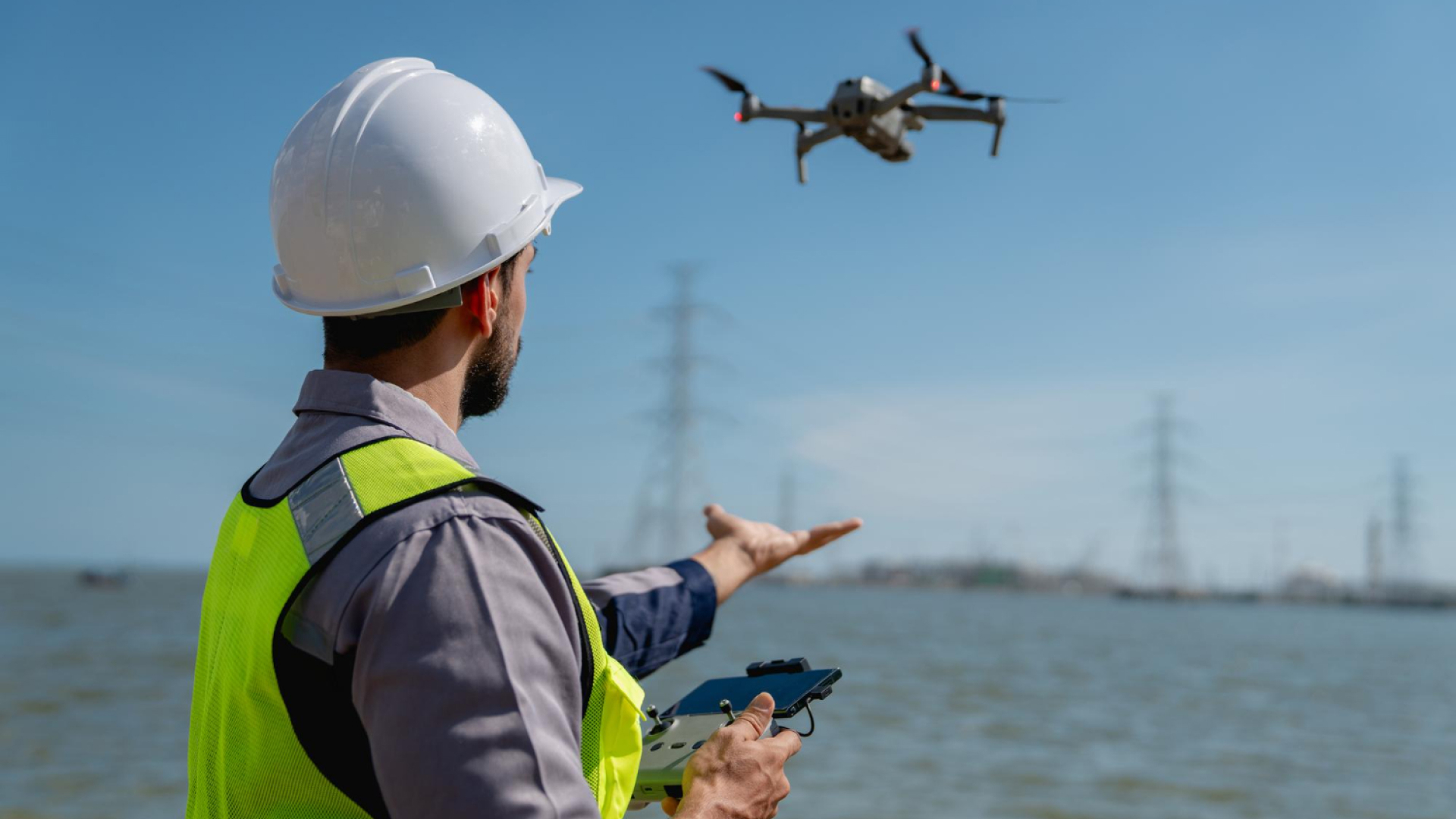
Drone technology is one of the few innovations that helps achieve both at the same time.
By enabling industries to inspect critical infrastructure remotely, this technology is redefining how organizations approach workplace safety, maintenance, and operational efficiency.
Why Traditional Industrial Inspections Can Be Risky?
Whether it’s a power transmission tower, pipeline, storage tank, wind turbine or manufacturing facility, inspecting industrial assets has traditionally been a labor-intensive process. Scaffolding, rope access, cranes and manual climbing are often required to reach difficult locations, increasing both inspection time and the likelihood of workplace accidents.
Beyond physical risks, conventional methods can also lead to operational disruptions. Many inspections require equipment shutdowns or restricted access to ensure worker safety, resulting in workplace delays and additional costs for businesses.
How Drone Inspections Reduce Workplace Risks
Modern aerial inspection systems equipped with high resolution cameras, thermal imaging, LiDAR, and AI powered analytics allow engineers to assess assets without physically entering hazardous environments. Instead of climbing a 100 meter tower or accessing confined spaces, operators can collect accurate inspection data while remaining at a safe location.
This significantly reduces exposure to common workplace hazards such as falls, electrical risks, toxic gases, and unstable structures. It also enables businesses to inspect hard-to-reach areas more frequently, helping maintenance team identify defects before they develop into major safety concerns.
Safety That Drives Better Business Decisions
Improving workplace safety is only part of the value. The detailed visual data captured during aerial assessments allows organizations to detect corrosion, overheating, leaks and structural deterioration much earlier than traditional inspection cycles.
Early detection supports predictive maintenance, reducing unexpected equipment failures and extending the lifespan of critical assets. At the same time, digital inspection records provide valuable historical data, enabling businesses to monitor asset health, prioritise and repairs and make informed maintenance decisions based on actual conditions rather than assumptions.
The Future of Safer Industrial Operations
As industries continue to embrace digital transformation, inspection technologies are becoming increasingly intelligent. Artificial Intelligence can automatically analyze inspection imagery, identify anomalies and compare current asset conditions with previous reports to highlight potential risks.
This evolution is shifting industrial maintenance from a reactive approach to a predictive one, where safety issues can be addressed before they escalate into operational failures or workplace incidents.
The Final Takeaway
Industrial safety is no longer just about providing protective equipment or enforcing safety protocols. It also depends on adopting smarter inspection methods that reduce risk without compromising accuracy. As organizations continue to modernize their operations, drone inspections are becoming an essential tool for protecting both critical infrastructure and the people responsible for maintaining it. By combining advanced technology with proactive maintenance strategies, businesses can create safer workplaces while improving the reliability and longevity of their industrial assets.


