

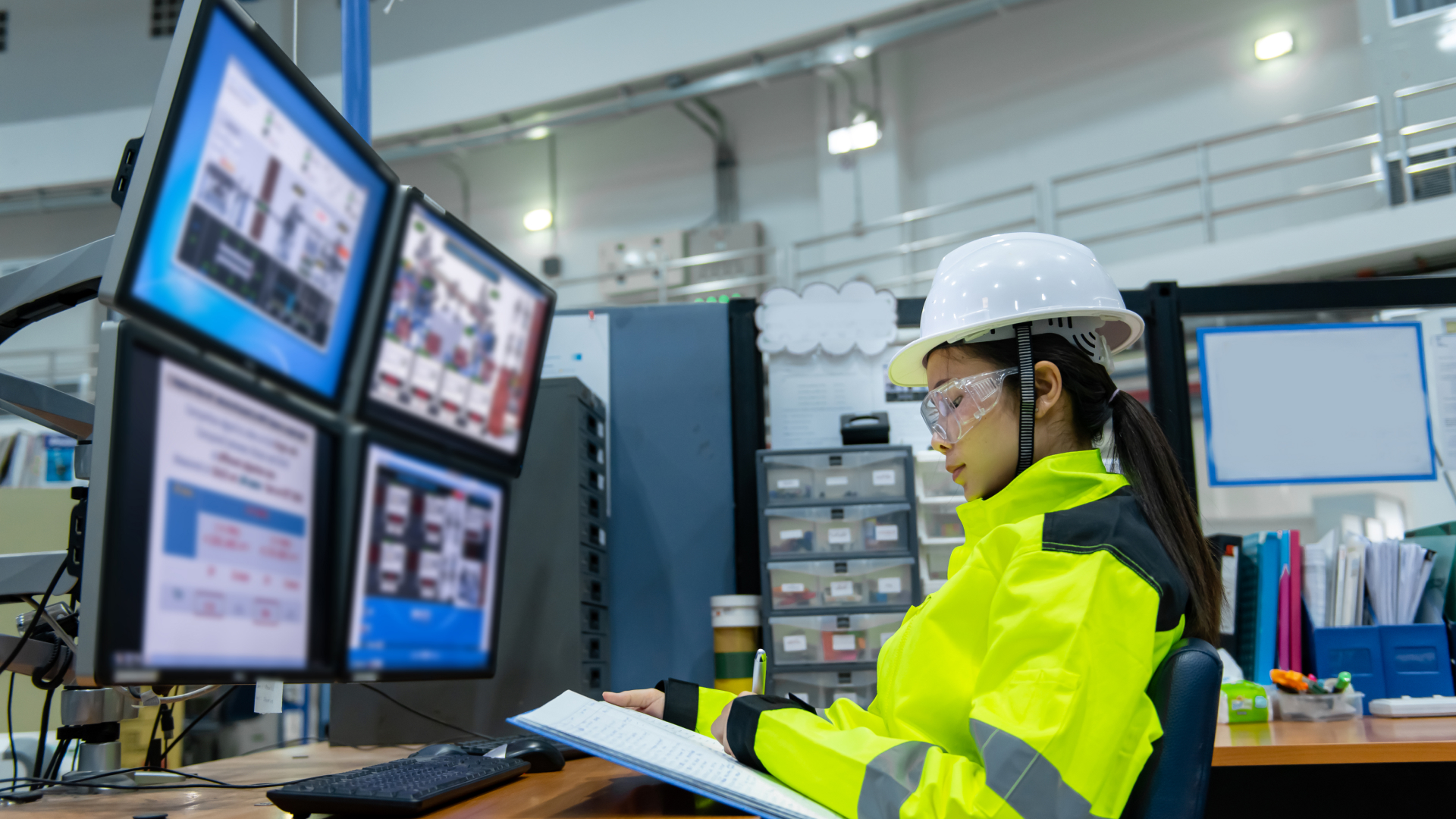
Workplace safety is not only about policies, training sessions, or safety procedures. In many environments, teams also need visibility into what is happening across facilities, operational areas, and restricted spaces.
As workplaces become larger and operations become more active, identifying safety concerns quickly can become more difficult. Teams may need to monitor multiple locations, manage large workforces, and coordinate responses without delays.
In busy environments, even small gaps in visibility can affect both safety and day-to-day operations. This is one reason many organizations are paying closer attention to systems that help improve coordination across workplaces.
Delayed Responses Can Create Bigger Problems
In operational environments, delays in identifying issues can sometimes create larger safety concerns. Unauthorized access, equipment problems, overcrowded spaces, or missed incidents may affect employees as well as operations.
Traditional Security Surveillance systems are often used mainly for reviewing footage after an event has already happened. While recorded footage remains important, many organizations are now looking for ways to improve response while situations are still developing.
The focus is gradually shifting from only recording activity to helping teams identify concerns earlier and respond more effectively.
Monitoring Helps Teams React Faster
Modern workplaces often require teams to manage multiple activities at the same time. Depending entirely on manual observation can become difficult in larger facilities or environments with constant movement.
This is where Security Surveillance systems are increasingly being used to support faster coordination and better monitoring across operations.
Organizations are also exploring how real-time visibility can help teams identify situations that require attention before they become larger operational or safety concerns.
Instead of spending hours reviewing footage after an incident occurs, teams are increasingly looking for ways to improve response while activities are still taking place.
Managing Safety Across Multiple Areas
Many workplaces now operate with systems that support monitoring across entrances, restricted areas, operational zones, and shared environments.
As environments become more connected, organizations are increasingly exploring IoT-enabled monitoring to improve coordination across different operational areas.
This can help teams maintain better communication between systems, especially in larger facilities where multiple operations may be happening at the same time.
Perennial Intellect recognizes that workplace safety often depends on how effectively organizations can maintain visibility across operations rather than relying on isolated systems alone.
Building Safer and More Connected Workplaces
Workplace safety requirements continue changing as organizations manage larger operations and more complex environments.
Perennial Intellect approaches monitoring with the understanding that modern workplaces often require systems that support coordination, awareness, and visibility together rather than functioning separately.
In many workplaces, Security Surveillance is gradually becoming part of everyday safety operations rather than a tool used only after incidents occur. Faster access to information is helping teams improve coordination, reduce delays, and respond more effectively when situations need attention.
Modern Security Surveillance systems are also helping organizations create safer environments where teams can maintain stronger operational visibility while managing day-to-day workplace activities more efficiently.


