
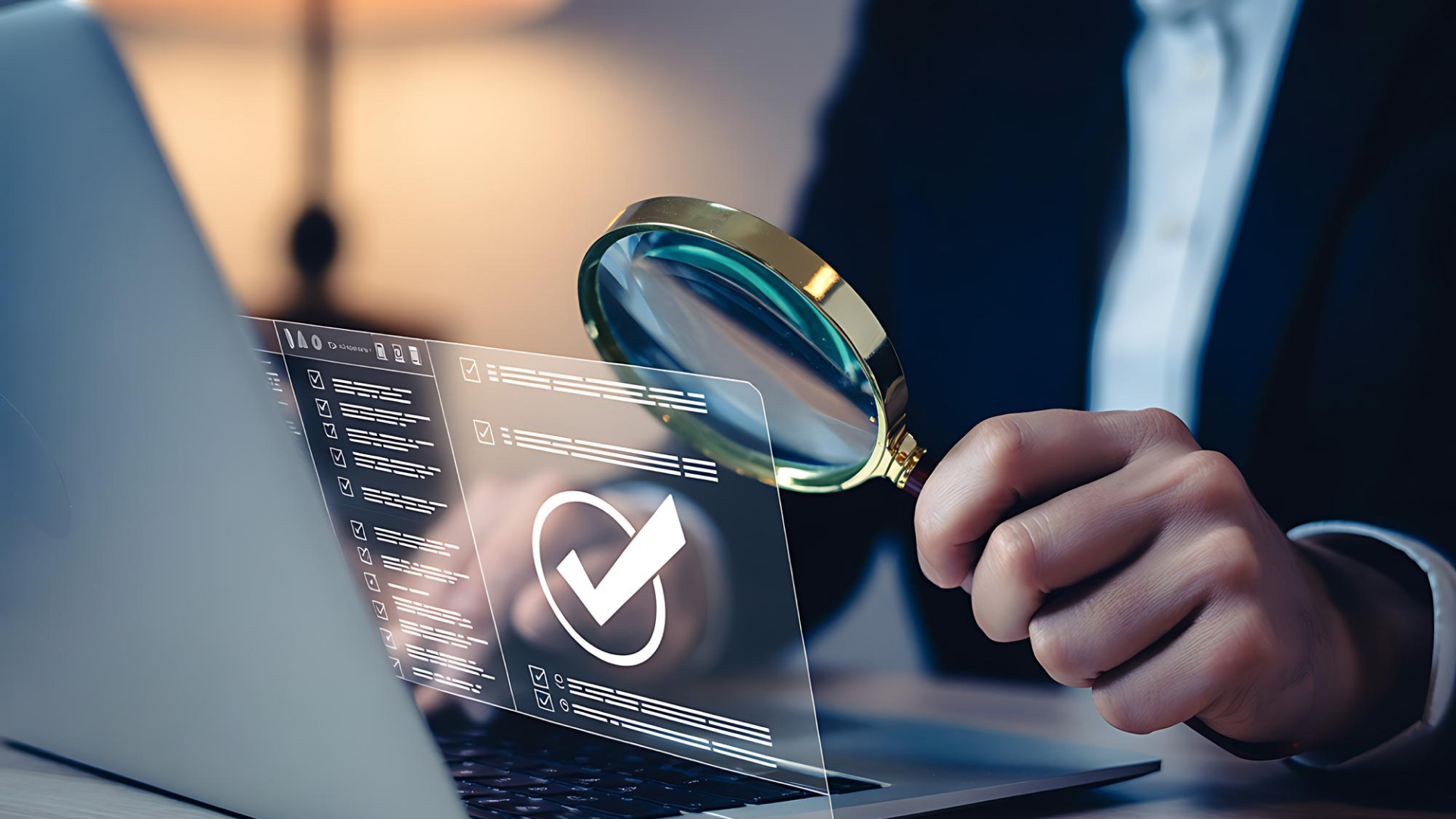
Inspections play an important role in maintaining safety, identifying issues early, and keeping operations running smoothly. Construction sites, infrastructure projects, industrial facilities, and large operational environments often require regular inspections to ensure systems, equipment, and structures are functioning properly.
However, inspecting large areas is not always simple. Teams may need to physically access difficult locations, work around operational schedules, or inspect environments where reaching every area requires additional time and effort.
As operations become larger and more complex, inspection activities can also become more demanding. Teams may need to inspect multiple locations within limited timeframes while maintaining consistency and accuracy.
Small Delays Can Create Bigger Challenges
Inspection delays can create larger challenges than many organizations expect. Structural issues, equipment concerns, or site changes may remain unnoticed when information takes too long to reach the right teams.
Organizations are also expected to maintain safety standards while keeping operations moving efficiently. In environments where inspections happen regularly, delays can affect planning, productivity, and response times.
This is one reason many industries are paying more attention to Structural Inspection processes that help improve visibility without creating unnecessary disruption to everyday operations.
The goal is not only to identify issues but also to help teams receive information earlier so they can make better decisions.
A Different Way to Inspect Large Sites
Many organizations are exploring how Swarm Drone Systems can support inspections across larger environments and locations that may be difficult to inspect manually.
Instead of requiring teams to physically inspect every location, drone-based approaches can help capture information from different viewpoints while reducing time spent on repetitive activities.
This can be useful across industrial facilities, infrastructure projects, construction environments, and locations where inspections need to happen regularly.
In environments where inspections need to happen repeatedly, reducing the time spent moving teams and equipment between locations can also improve operational efficiency. Faster access to inspection information can help teams identify concerns earlier and reduce delays in decision-making.
Reaching Difficult Areas More Safely
Some environments create additional inspection challenges because teams may need to work around heights, physical limitations, operational risks, or difficult terrain.
This becomes especially important in unmanned environments where routine inspections are not always easy or practical.
Rather than relying entirely on manual methods, organizations are increasingly exploring approaches that help maintain awareness without creating unnecessary exposure to operational risks.
Improving Inspections Without Slowing Operations
Organizations are increasingly looking for inspection methods that improve visibility while helping teams work more efficiently.
Perennial Intellect recognizes that modern operations often require inspection approaches that can adapt to changing environments and operational requirements. Through technologies that support monitoring and operational awareness, Perennial Intellect focuses on helping organizations improve how information is collected and used.
As inspection requirements continue expanding, Structural Inspection is becoming more connected to safety, operational efficiency, and decision-making rather than functioning as an isolated activity.


